Visa and OpenAI just closed the infrastructure gap that has been quietly blocking agentic commerce. You have heard the pitch for two years now: agents that research, evaluate, and recommend products. But until this month, those agents could not actually buy anything without breaking the experience. The agent surfaced a product. The consumer liked it. Then what? A redirect to a browser, a payment form to fill in by hand, a broken conversation, a purchase closed somewhere else. That friction was not a rough edge. It was the reason agentic commerce stayed theoretical. On June 10, 2026, at the Visa Payments Forum in San Francisco, that piece got solved.
What the Visa and OpenAI Agentic Commerce Deal Actually Changed
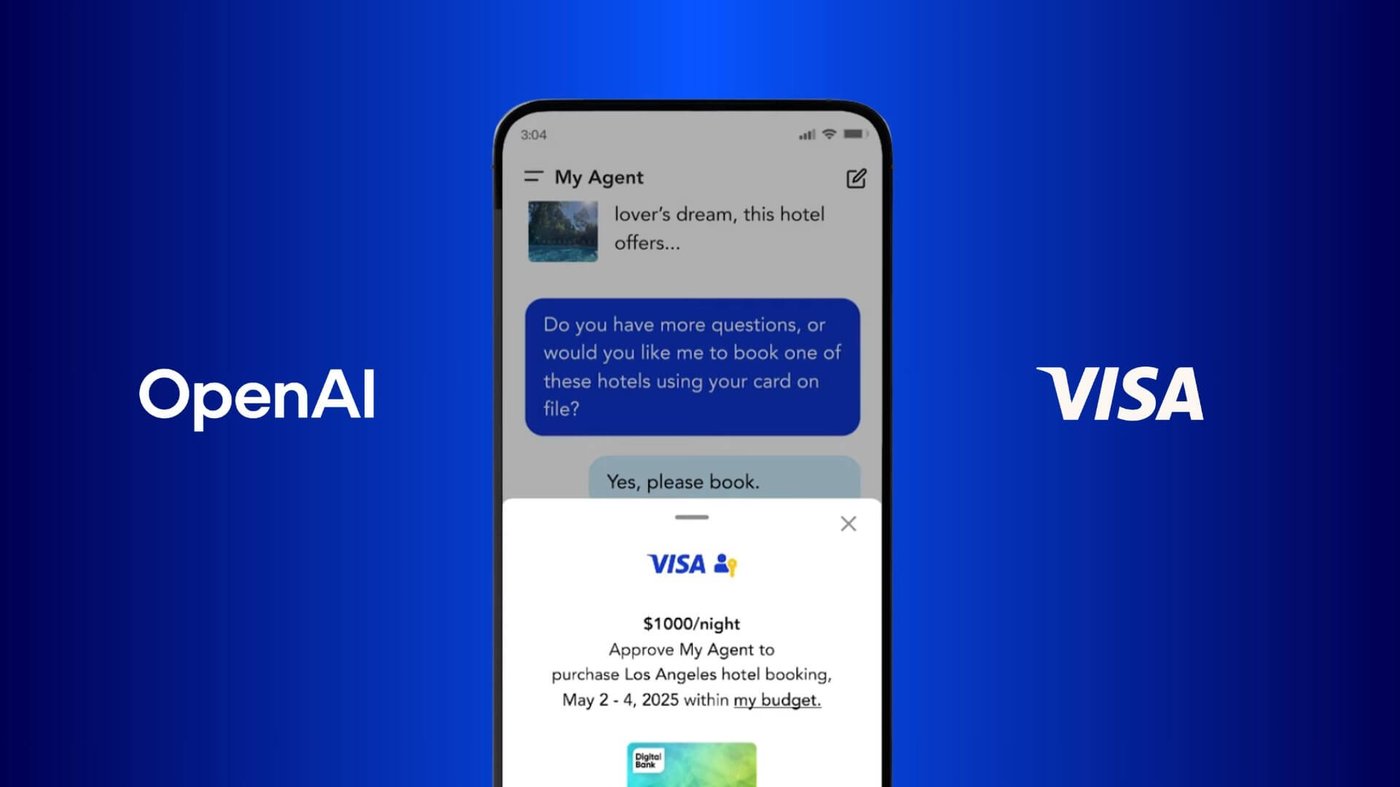
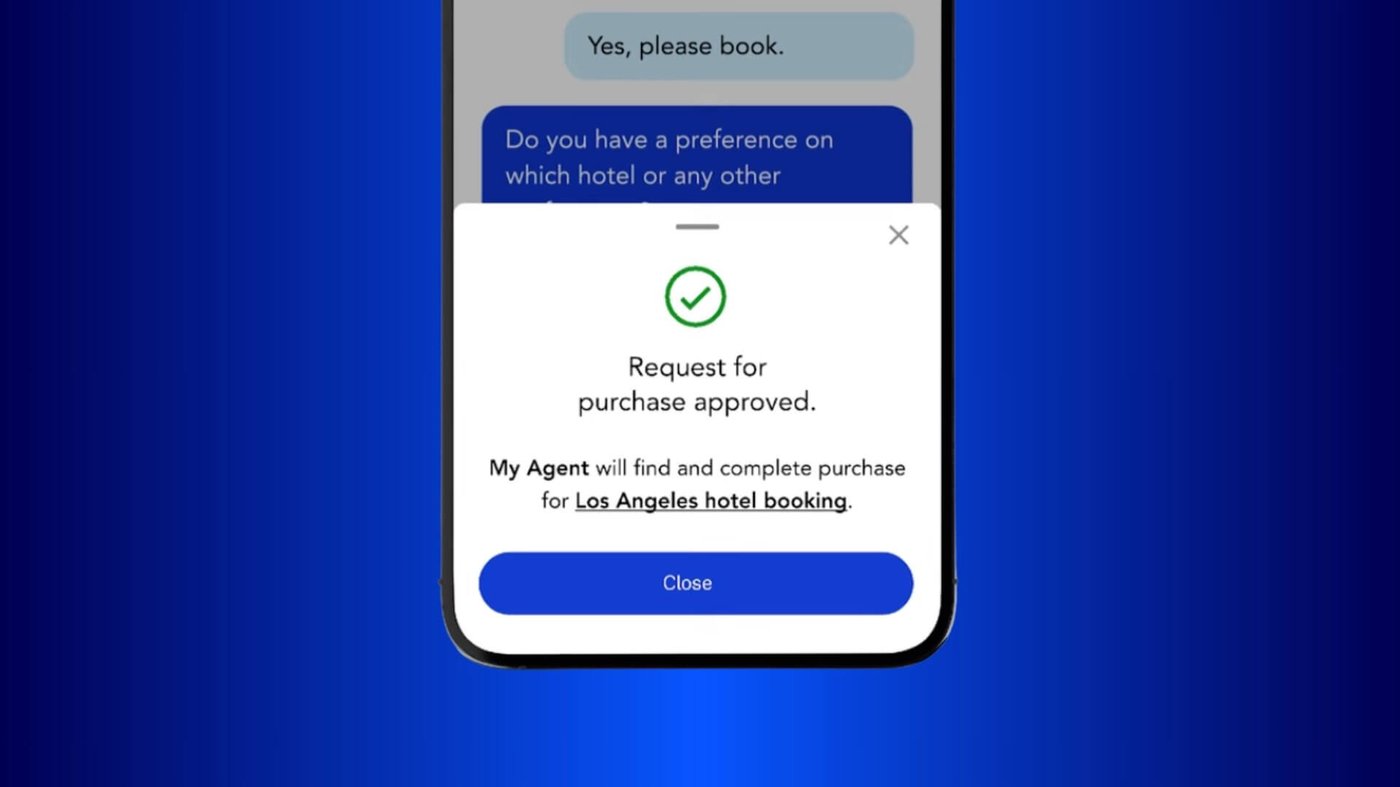
Visa and OpenAI announced a strategic collaboration to enable secure Visa payments inside AI agents. In plain terms, Visa is putting its network, credentialing, tokenization, and risk infrastructure directly into OpenAI experiences, so a payment initiated by an agent can be authorized and settled without the consumer ever leaving the conversation. Three pieces make this work, and each one matters on its own.
First, tokenized Visa credentials embedded in the agent. Your card information exists inside the agent as a secure token, never exposed as plain text, so the agent can initiate a payment against your stored credential without asking you to retype anything beyond an approval. Second, real time authorization running natively. The agent calls Visa's network, gets approval, and the transaction settles inside the flow. Speed is the whole point here, agents operate at conversation velocity, and a 30 second redirect kills the moment. Third, fraud monitoring built in from the start. Visa brings its real time fraud detection into the agent ecosystem, which matters because agents making purchases on behalf of humans open new fraud vectors. Visa sees billions of transactions, it knows what suspicious looks like, and agents now inherit that.
Two details in the announcement are easy to skip and worth pausing on. Transactions run inside clearly defined user permissions, spending limits, merchant categories, and required approvals, so this is delegated authority, not a blank check. And this is not a one off, Visa framed it alongside programmable money initiatives and expanded stablecoin settlement pilots. The direction of travel is clear: payments are being rebuilt for a world where the buyer is often a machine acting for a person.
Why Agentic Commerce Payments Were the Missing Infrastructure Piece
It sounds like a technical footnote. It is not. To understand why, remember what happened three months earlier. In March 2026, OpenAI pulled back from native checkout inside ChatGPT, citing weak merchant onboarding, and pivoted toward a model where you discover in the AI and complete on the merchant's own surface. The lesson was blunt: discovery was working, payment was not. Recommendation had raced ahead of the rails needed to act on it.
The Visa partnership is the answer to that gap. Payment is the step that turns a recommendation into revenue, and it was the least mature part of the stack. My read is that this is less a headline moment than a plumbing moment, and plumbing moments are the ones that actually change behavior. When the infrastructure to complete a purchase inside an AI flow becomes standard, agentic commerce stops being a demo and starts being a channel with a P&L attached.
How Visa Agentic Commerce Rewrites Merchant Visibility
Here is what changes for eCommerce brands, and it changes fast. Your demand becomes visible and immediately actionable in places it never was. Until now, when a consumer asked an assistant for "a good winter coat under 200," the answer was informational. The model described options. If the shopper could not act on that intent inside the conversation, the intent evaporated, and the merchant never knew the demand existed. The purchase happened on Amazon, on Google Shopping, on a direct site, attributed to none of the work that created it.
Now that intent can resolve inside the AI flow. It shows up not as a click or a query log, but as a structured signal: an agent looking for products that match specific criteria, in a specific price range, with specific attributes. Merchants with clean, structured catalog data will appear in those agent searches. Merchants without it will be invisible. This is the layer we call Agentic Commerce Optimization, whether your product is eligible to be recommended at all, and it sits upstream of ranking and upstream of price. Payment just made the layer above it, the recommendation, worth real money.
Why Visa Agentic Commerce Payments Make Your Catalog Data Urgent
The core insight is this: catalog hygiene is no longer a back office task. It is now a paid media input. Agents need different data than humans do. A person browsing can look at a photo and infer quality. An agent cannot. An agent needs structured attributes like color, size, material, and fit. It needs price consistency across channels, because agents compare ruthlessly and conflicting prices read as a trust problem. It needs legitimate, verified reviews, because the model has to justify its recommendation and fake reviews break that logic. And it needs accurate inventory, because nothing burns trust faster than an agent recommending something that is out of stock.
Brands are already acting on this. Target, an early partner in Google's Universal Cart and Universal Commerce Protocol, is cleaning its data not for compliance but because agents cannot sell what they cannot see or describe. For fashion and luxury the stakes are higher still. An agent recommending a Gucci bag needs to understand material, provenance, and sizing nuance, and a generic product feed cannot carry that. The next 90 days matter because the brands that get their catalog clean now, attributes structured, prices consistent, reviews curated, will hold a structural advantage when OpenAI, Google, and Amazon flip agent driven checkout on at scale. No amount of advertising fixes incomplete product data. This is structural, not tactical.
Who Wins and Who Loses in OpenAI Agentic Commerce
This partnership sorts winners and losers quickly. The winners are brands with clean, structured catalog data that agents can read, companies with genuine brand reputation and reviews that models trust and repeat, merchants live on OpenAI, Google, and Amazon surfaces early, and payment networks with agent integration already shipped. Visa moved first, but it will not be alone for long.
The exposed side is just as clear. Marketplace dependent brands are at the mercy of whether their marketplace prioritizes agent integration. Brands with thin or manufactured reviews get surfaced ruthlessly by models that read social proof better than any shopper. Companies betting on classic SEO and SEM as their primary acquisition engine are optimizing for a ranking system agents largely ignore, agents care about structured data and social proof, not blue links. And merchants with inconsistent pricing across channels get caught, because the agent sees every version and picks the best one. The uncomfortable truth is that most of these are data problems, and data problems do not respond to bigger budgets.
What Comes Next in Agentic Commerce Payments
The draft version of this story ended with a prediction: someone else will announce their own payment infrastructure partnership within six months. That already happened, and faster than six months. Mastercard launched Agent Pay for machine payments the same month, with more than 30 partners, and Google has been pushing its own agent payments protocol. Payment is not the differentiator anymore, it is table stakes for any answer engine that wants to close a loop. My read is that the whole payment layer commoditizes within a year.
Which means the differentiation moves up the stack, to catalog quality and to the experience inside the agent. This is the part eCommerce leaders should internalize: once everyone can take the payment, the only question left is whose product the agent chooses to recommend in the first place. That decision is made on data, on structure, on trust signals, on the machine readable substance of your catalog. Payment being solved does not make catalog optional. It makes catalog the entire game.
So the implication for the next 90 days is direct. Your catalog is a media asset now, not a back office burden. Treat it like one. Own this window, while competitors are still watching the payment headlines and missing the catalog shift underneath them, and you own the position before the field commoditizes. The infrastructure is here. The clock is running. The brands that understand that Visa and OpenAI did not hand them a payment feature, they handed them a reason to fix their data now, are the ones that will still be visible when the AI does the choosing.
Keep reading
Related articles



Free AI Readiness Audit
Find out what AI agents can't read on your product pages
Send us 3 product URLs. We score them for ChatGPT, Gemini and Google AI Mode, show what is missing and send them back fixed.
- AI Readiness Score for each page
- Missing attributes, keywords and shopper intents
- The optimized pages, ready to publish
Featured in









Visa x OpenAI: Agentic Commerce Payments Just Became Real
Visa and OpenAI just made agentic commerce payments real. Here is why the win moves upstream to your catalog data, and what to do in the next 90 days.
Visa and OpenAI agentic commerce payments partnership
On June 10, 2026, Visa and OpenAI announced **secure Visa payments inside AI agents**: tokenized credentials, real-time authorization and built-in fraud monitoring. Payment was the missing step that turns an AI recommendation into revenue: intent can now resolve inside the conversation instead of leaking elsewhere. Agents rely on structured attributes, consistent prices, verified reviews and accurate inventory, so **catalog hygiene becomes a paid media input**. With Mastercard Agent Pay and Google's protocol following, payment becomes table stakes and **differentiation moves up to catalog quality**.
What did the Visa and OpenAI agentic commerce partnership announce? | On June 10, 2026, at the Visa Payments Forum, Visa and OpenAI announced a strategic collaboration to enable secure Visa payments inside AI agents. Visa provides its network, tokenized credentials, real time authorization, and fraud monitoring so an agent can initiate and settle a payment inside an OpenAI experience, within user set permissions like spending limits and required approvals. Why do agentic commerce payments matter for merchants? | Payment was the missing step that turned an AI recommendation into revenue. With rails in place, consumer intent can resolve inside the AI flow instead of leaking to another channel. Merchants with clean, structured catalog data appear in agent searches, and those without it stay invisible. How does Visa agentic commerce change catalog data requirements? | Agents cannot infer quality from a photo the way a human can, so they rely on structured attributes, consistent pricing across channels, verified reviews, and accurate inventory. Incomplete product data means the agent recommends a competitor whose data is richer. Is OpenAI agentic commerce the only payment option? | No. Visa moved first, but Mastercard launched Agent Pay the same month with more than 30 partners, and Google has been advancing its own agent payments protocol. Payment is becoming table stakes, which pushes differentiation toward catalog quality and the in agent experience. What should eCommerce brands do in the next 90 days? | Treat the catalog as a media asset: structure product attributes, make pricing consistent across channels, curate legitimate reviews, and keep inventory accurate. AndromedAI automates this at catalog scale across languages.
